
NEWS
Superstar Matthew Anderson still learning new things in Japan’s SV.LEAGUE


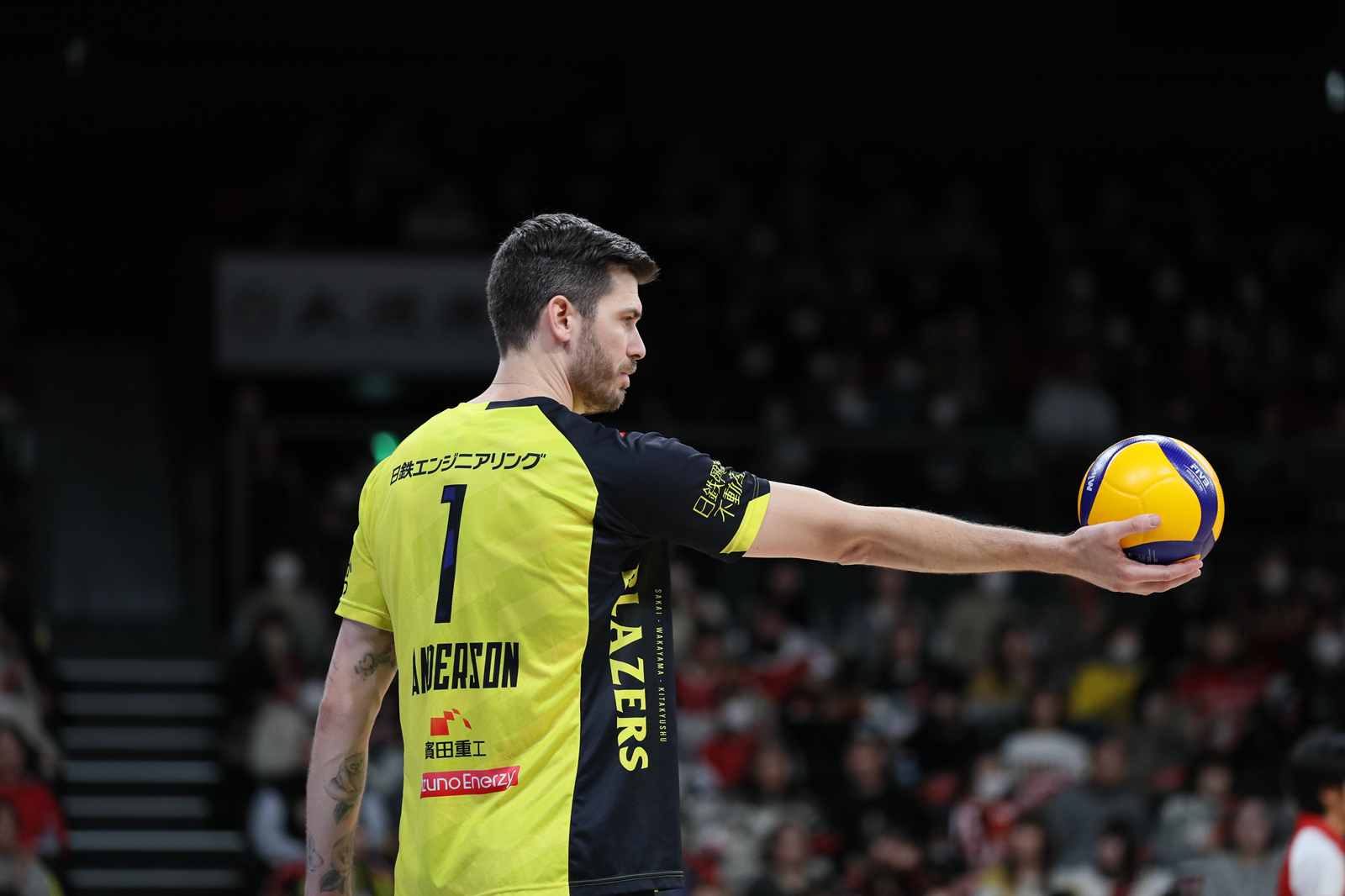
People might think that for a player who is nearly 39 years old, who’s been called one of the most complete players in the world, who has won gold medals and individual honors and who has played all over the globe, taking it easy might be an option, but for Matthew Anderson, he’s still got things to do.
Anderson joined NIPPON STEEL SAKAI BLAZERS for the 2025-26 SV.LEAGUE season – his first experience playing for a club team in Japan – and, after time away, has recommitted himself to the USA team, with the aim of playing in the 2028 Olympic Games in Los Angeles. On top of that, he wants to learn more about the game and that’s what he’s doing in Japan.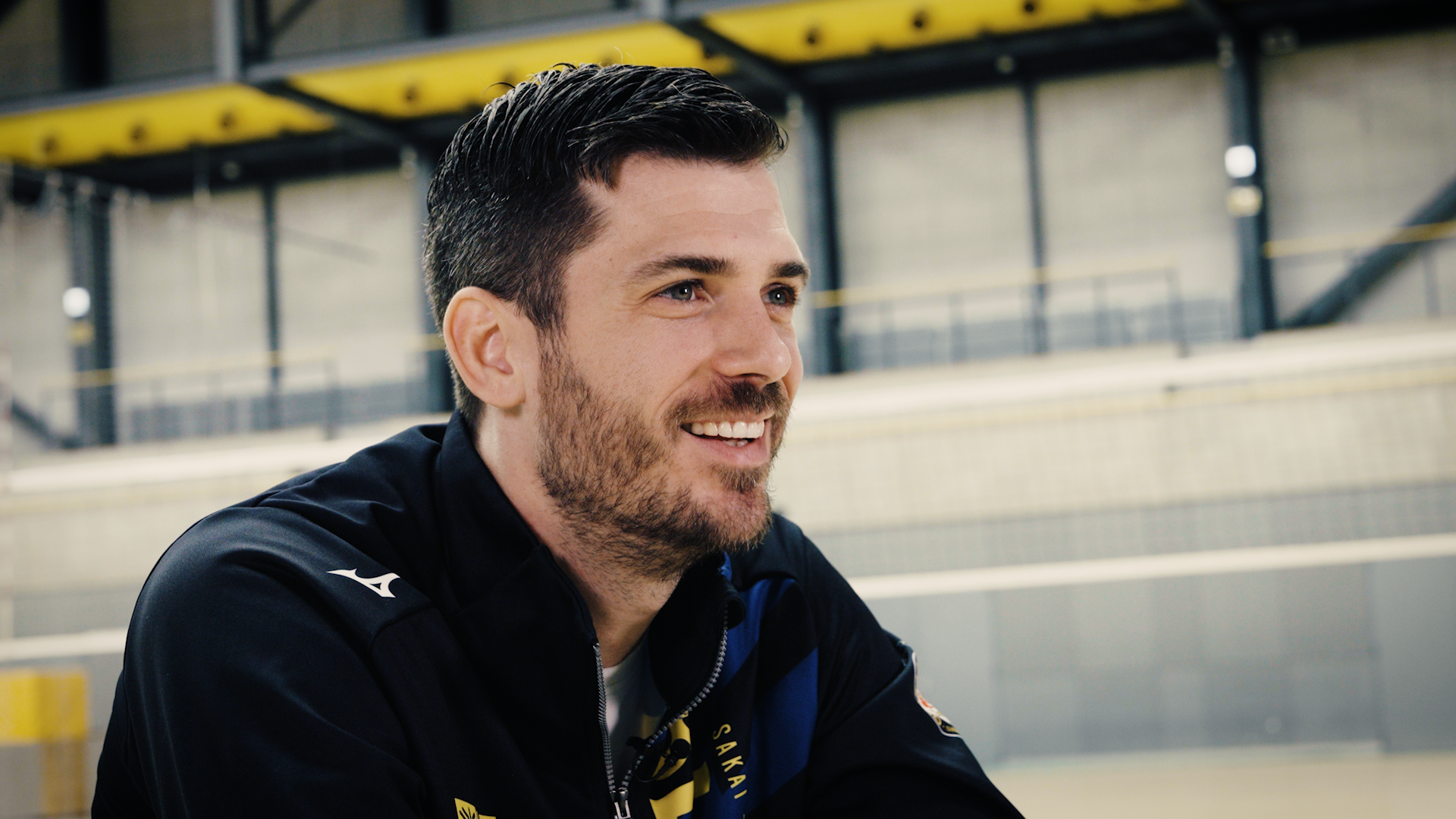
“I want to continue to grow as a player,” Anderson says. “How I can fit in and how I can help the team. We're trying to take this team, which has a big history of winning, back to the forefront of the league and trying to make them a dominant team again like they used to be.”
That’s not proving an easy task. Through 20 games of the 44-game season, the BLAZERS picked up just five victories, with Anderson playing in 14 of those games and averaging just over 12 points per game.
“It's going to take time, obviously,” Anderson admits, adding that the team has to get used to him and he has to get used to them. Anderson has had success in South Korea, Italy, Russia and Turkey, but Japanese volleyball is different.
“I need to get better and what I need to get better at is really highlighted here in the Japanese League,” he says. “That's why I wanted to come here and give it a shot.”
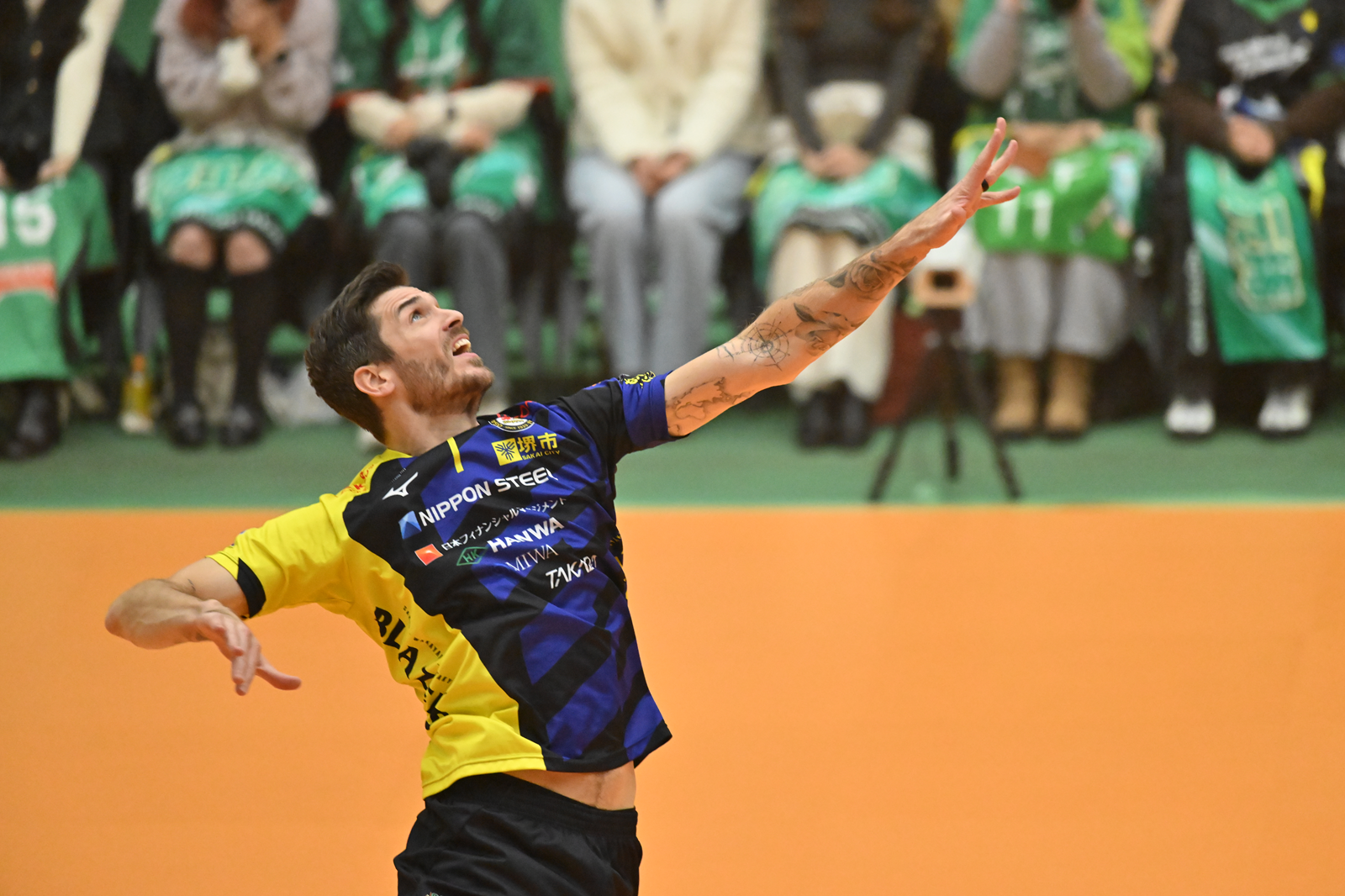
Anderson has played against Japanese teams and players and in Japan many times, and he knows it’s a different kind of game. “The Japanese players play with a lot of explosive moves. Their offenses are a lot faster. You have to be able to adapt in the moment with very little input. They play really fast but with a lot of control, a lot of technical skill. It's hard to make points. They play really good defense and it's a part of my game that I don't really always have. I'm usually more towards the power side of volleyball.”
He’s a big admirer of Japanese star Yuji Nishida. “I really enjoy playing against him,” he says. “I played against him with the national team, I played against him in Italy when we were both playing there, and I'm fortunate to keep playing against him here. He also plays with a lot of joy and passion and fun out there, so it's fun. He's a great player and plays the game different than I do, but that doesn't mean that I can't learn from him and at least be able to adapt when I'm playing against players like him.”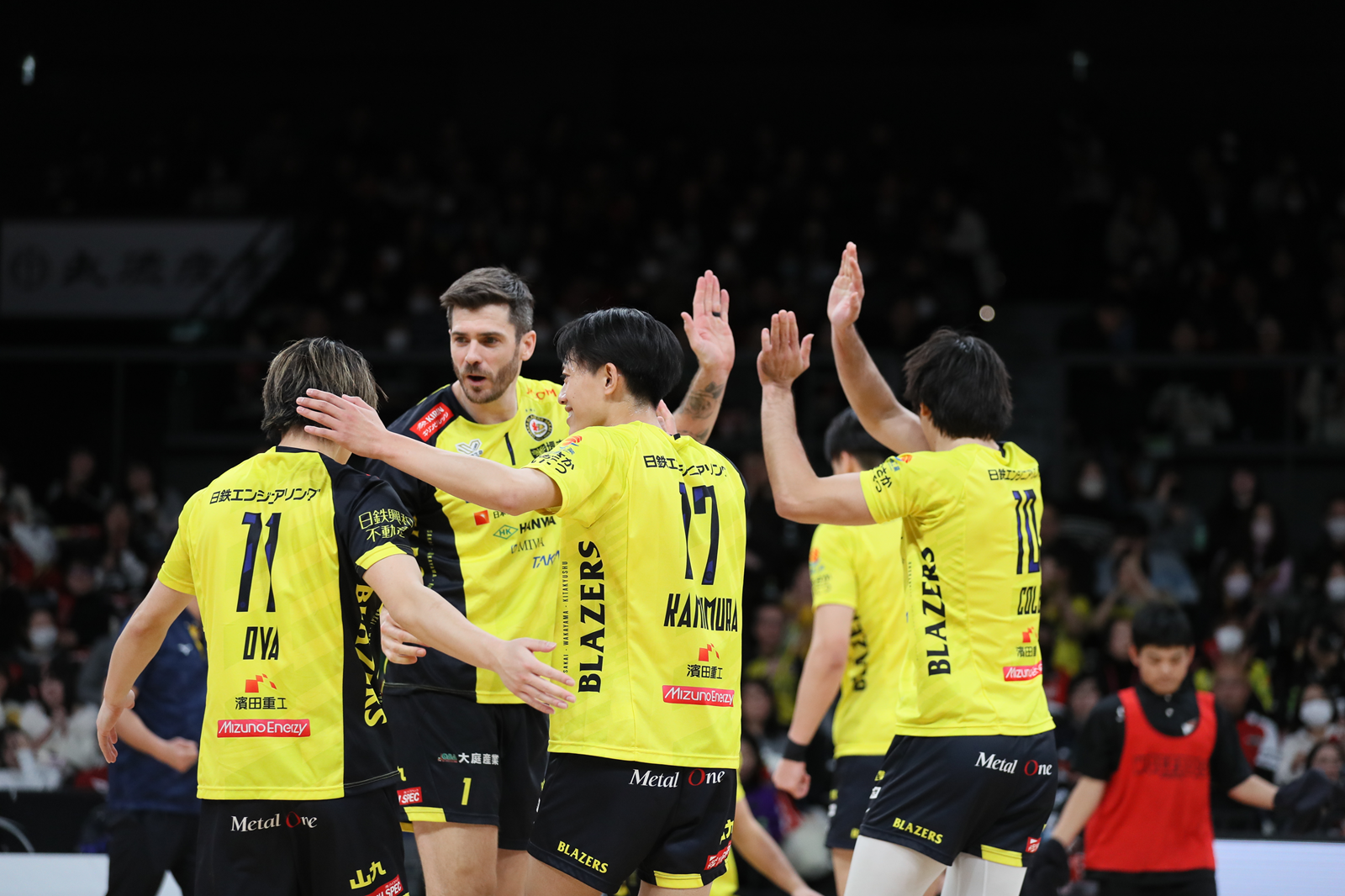
The volleyball education is going two ways. While Anderson is learning how to play Japanese volleyball, his experience is rubbing off on the Japanese players on his team. He appreciates that understanding and respecting each other’s culture, both on and off the court, is vital to help the team move forward.
“It’s being able to adapt and giving it time to really kind of fall into a rhythm and an understanding of each culture, being respectful of that culture and not trying to change it because, one, I won't be able to, and two, it makes it kind of more of a conflict if I'm trying to change them versus me adapting to the situation.”
“The volleyball players here, the team here, the culture here works really hard. They have a great work ethic and great attention. And it's just something that I need to kind of keep going with and keep getting better at and keep understanding as I'm playing the game.”
When giving back, he remembers how he tried to learn the game. “What I can do is try to understand how I was as a young player and what exactly would get that information to me a little bit clearer, a little bit more quick. It's just doing it in the proper ways to teach them to stay aware of all the small things that they're doing that can either help them get better or actually hurt them.”
Not only is Anderson helping himself, his teammates and his team, he’s also helping the SV.LEAGUE grow. The SV.LEAGUE has been able to attract top foreign players and is gaining attention around the world.
“I think the SV.LEAGUE is gaining strength and popularity in the world,” Anderson says, noting how the introduction of top foreign players is helping to raise the overall level of play in Japan. “I think the SV.LEAGUE is on the doorstep of being one of the top leagues in the world. A real simple, easy fix to start – and what most leagues do in the beginning – is open it up to more foreign players to raise the general level of play across the board a little bit higher. And then what that does over time is it exposes the younger Japanese players to the higher level of play and gives them a little bit more understanding of what it takes to be a top-level player and gives them an example of something to strive for.”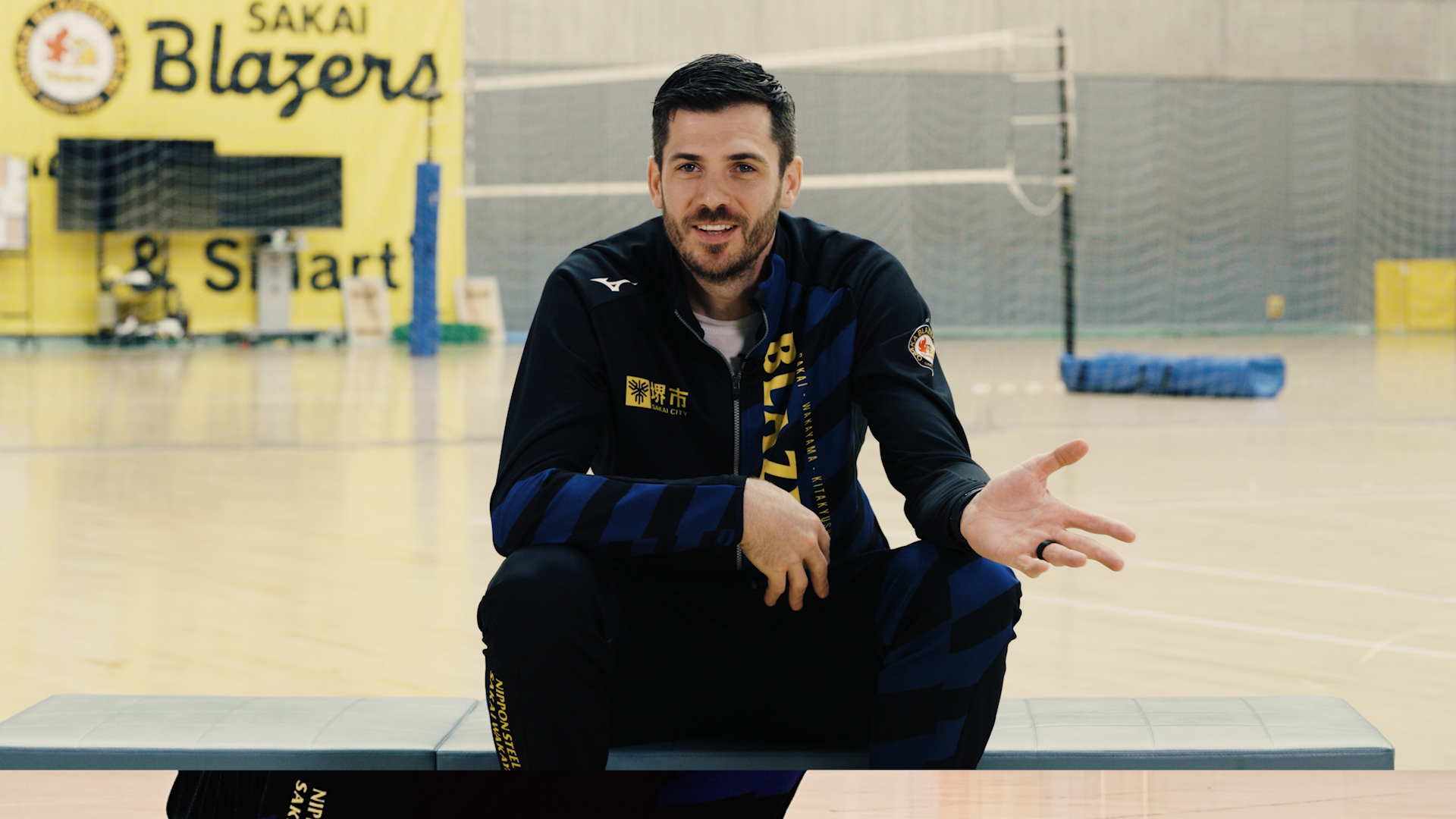
Anderson had the advantage of playing in Japan many times with Team USA, so the culture wasn’t totally alien to him and he admits to “falling in love with it.” On his off days, Anderson hangs out with his family, goes to parks, eats ice cream and visits new places. Living in Japan’s second city of Osaka, he can get any food he wants, but admits to being fond of Japanese staples ramen, gyoza and sushi. “I really enjoy Japanese food,” he says. “I live in the city of Osaka, so I'm able to get to a lot more restaurants. There's so much to experience here.”
Anderson is grateful for the support of his fans, not only in Japan but from around the world. Without them, he says, “We don’t have much to play for. I've been playing for almost 20 years now and it's so great to keep getting all these positive messages from fans all over the world that are watching me play here.”
*Statistics referenced in the articles are based on data available as of January 14, 2026.
【SV.LEAGUE official YouTube content "INSIDE SV.LEAGUE"】